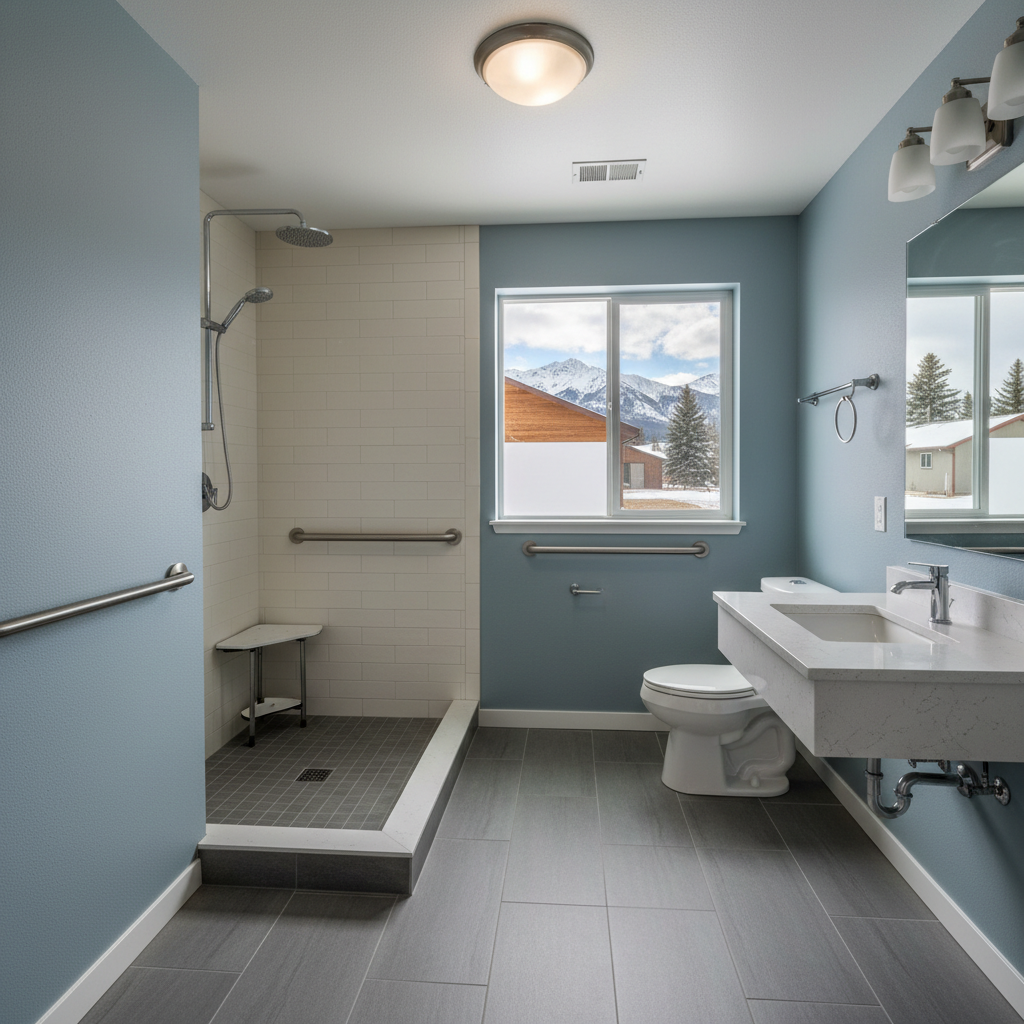
So, you've got a great accessible bathroom in your Bozeman home. Maybe we even built it for you at Treasure State Kitchen & Bath. That's awesome. But getting it installed is just the first step. To make sure it keeps serving you well, and looks good doing it, you've got to give it a little love. This isn't rocket science, but ignoring it can lead to bigger headaches down the road.
Extending the Life of Your Accessible Bathroom
The whole point of an accessible bathroom is safety and ease of use, right? So, keeping everything in top shape directly impacts that. One of the biggest things I see folks overlook is proper cleaning. Harsh chemicals can actually degrade sealants and finishes over time. Stick to mild, non-abrasive cleaners, especially on things like grab bars, shower seats, and non-slip flooring. You don't want to scratch up that textured surface that's there to prevent slips.
Another big one, especially with our dry Bozeman climate, is keeping an eye on grout and caulk. When it's dry, it can crack faster. Those cracks are an open invitation for water to get behind your tiles, and that's when you start talking about mold, mildew, and structural damage. Nobody wants that. A little proactive recaulking every few years is way cheaper than tearing out a wall.
Think about the fixtures too. Low-flow faucets and showerheads are common in accessible designs. They're great for saving water, but sometimes they can get mineral buildup, especially if you've got hard water, which is pretty common around here. A quick clean with vinegar can usually clear that right up and keep the water flowing smoothly.
Regular Maintenance: What You Should Be Doing
Alright, let's get specific. Here's a quick rundown of what you should be doing regularly:
- Daily/Weekly Wipes: Wipe down grab bars, shower seats, and accessible sinks after use. This prevents soap scum and hard water stains from building up.
- Monthly Deep Clean: Give everything a good scrub with a mild cleaner. Pay attention to grout lines and the corners where walls meet floors.
- Check Caulk & Grout: Every few months, take a good look at all the caulk and grout lines. Are there any cracks? Is it discolored? If it's looking worn, it's time to plan for a touch-up.
- Test Fixtures: Just give your faucets, showerheads, and toilet a quick once-over. Do they operate smoothly? Any drips? Are the lever handles still easy to use?
- Inspect Grab Bars & Seats: Give grab bars a gentle tug. They should feel rock solid. If there's any wobble, that's a problem. Do the same for shower seats – make sure they're securely fastened.
Our winters here are no joke, and the heating can really dry out your home. That dry air can contribute to caulk cracking, so keep an extra eye on it during the colder months.
Warning Signs of Trouble
You're not looking for problems, but you should know what to look for. Catching these early can save you a ton of money and hassle:
- Loose Grab Bars or Shower Seats: This is a big one. If they're not secure, they're a fall hazard. Don't ignore it for a second.
- Cracked or Missing Grout/Caulk: As I said, this means water can get in where it shouldn't. You might see discoloration on walls or floors nearby.
- Musty Smells: If your bathroom always smells damp or musty, even after cleaning, you've probably got mold or mildew growing somewhere out of sight.
- Water Stains: Any mysterious water stains on the ceiling below, or on walls adjacent to the bathroom, are a huge red flag for a leak.
- Slow Drains: A slow drain isn't just annoying; it can mean a clog is forming, which can lead to standing water and a slip risk.
- Difficulty Operating Fixtures: If a faucet handle is stiff, or a shower diverter is hard to turn, it defeats the purpose of an accessible design.
When to Call a Professional
Look, some things you can handle yourself, but others are best left to the pros. If you see any of those warning signs, especially loose grab bars, persistent leaks, or extensive mold, don't try to be a hero. Call someone. A professional can properly diagnose the issue and fix it right the first time.
For anything involving plumbing behind walls, electrical work, or structural repairs, you absolutely need a licensed contractor. Trying to DIY those can lead to bigger, more expensive problems, or even safety hazards. We've seen it all, from minor leaks turning into major structural damage because someone tried a quick fix, to electrical issues from inexperienced hands. When in doubt, call us at Treasure State Kitchen & Bath, or another reputable local contractor. We're here to help keep your accessible bathroom safe and functional for years to come.