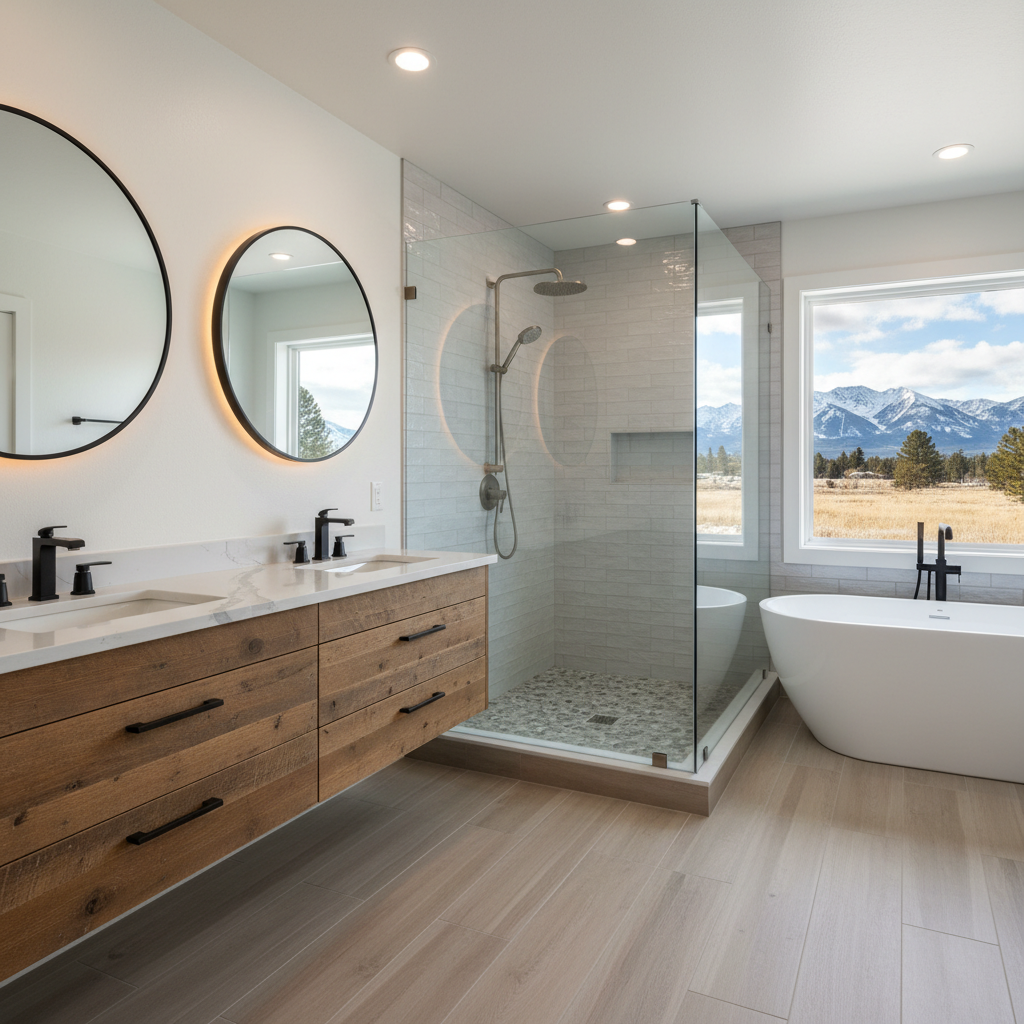
So, you've just put money into a gorgeous new bathroom remodel. Maybe Treasure State Kitchen & Bath even built it for you. That's fantastic! But here’s the thing: a remodel isn't something you can just 'set and forget.' To truly get your money's worth and keep that bathroom looking as good as the day it was finished, you'll need to put in a little effort. It's not hard, really, but it is super important, especially with the wild temperature swings and dry air we get here in Bozeman.
Making Your Investment Last
Think of your bathroom remodel like a brand-new truck. You wouldn't just drive it off the lot and never change the oil, right? Your bathroom is pretty much the same. A little preventative care goes a long, long way. The biggest thing you can do to make your remodel last longer is to manage moisture. That's the number one enemy of bathrooms, no question. Always use your exhaust fan during and after showers. I always tell folks to leave it running for at least 15-20 minutes after the steam clears. This pulls out all that humid air that just loves to cause mold, mildew, and eventually, rot.
Protecting your surfaces is another big one. If you've got natural stone like granite or marble, you'll need to seal it now and then. How often depends on the stone itself and how much use it gets, but usually once a year or every couple of years is a good general rule. For tiled showers, especially those with grout, sealing helps stop water from soaking in and causing problems behind the tile. We've seen plenty of issues from unsealed grout in older homes around the University area, believe me.
Keep an eye on the caulk around your tub, shower, and sink. Caulk doesn't last forever, you know. It dries out, cracks, and pulls away over time, creating little pathways for water. When you spot that happening, it's time to re-caulk. It's a pretty simple DIY job if you're handy, but if not, a pro can fix it quickly.
What Regular Maintenance Looks Like
Daily or weekly, you should be wiping down surfaces. Don't let standing water just sit on your vanity or shower shelves – that's just asking for water spots and potential damage. A simple squeegee for your shower glass after every use will save you hours of scrubbing hard water stains later. And trust me, our Bozeman water is hard; those mineral deposits build up fast.
For cleaning, stick to mild, non-abrasive cleaners. Harsh chemicals can damage finishes on fixtures, tile, and stone. Always test a new cleaner in a hidden spot first. For grout, a simple mix of baking soda and water often works wonders. Just avoid anything with bleach on colored grout unless you're trying to lighten it.
- Wipe down shower walls and glass after each use.
- Clean sinks and countertops regularly with mild soap and water.
- Check and clean your exhaust fan cover – dust build-up really cuts down its effectiveness.
- Inspect grout and caulk lines monthly for cracks or deterioration.
- Clean drain stoppers and overflow plates to prevent clogs and keep them shiny.
Warning Signs of Problems
You really have to be observant. Your bathroom will usually tell you when something's not quite right. Don't ignore these signals:
- Musty odors: This is a huge red flag. It almost always means mold or mildew is growing somewhere, likely behind walls or under flooring where you can't see it.
- Stains on walls or ceilings: If you see water stains on the ceiling below your bathroom, or on the walls around the shower or toilet, you've got a leak. Act fast!
- Loose or cracked tiles: A single loose tile might not seem like a big deal, but it means water can get behind it, leading to bigger issues like rot or structural damage.
- Grout discoloration or crumbling: Beyond normal dirt, if grout is turning dark in spots (especially around the shower pan) or crumbling out, it's failing and letting water through.
- Slow drains: This can be a sign of a clog forming. Address it before it becomes a complete blockage and potentially causes an overflow.
- Running toilets: Not only does this waste water and money, but it can also indicate an internal component failure that could lead to bigger leaks if left unchecked.
When to Call a Professional
Look, I'm all for DIY, but some things are just best left to the pros. If you spot any of those warning signs, especially persistent musty smells or water stains, don't hesitate. A small leak ignored can quickly turn into a huge, expensive repair involving drywall, framing, and mold remediation. It's just not worth the risk.
You should also call us or another reputable contractor if you're dealing with plumbing issues beyond a simple drain clog, like persistent leaks, low water pressure, or problems with your water heater. If you're not comfortable re-caulking or re-grouting yourself, or if you suspect a deeper issue with your tile or waterproofing, get a professional opinion. We've seen too many DIY fixes that ended up costing more to repair than if a pro had been called in the first place.
Your bathroom remodel was an investment in your home's comfort and value. A little attention and knowing when to call for help will ensure it pays off for years to come.