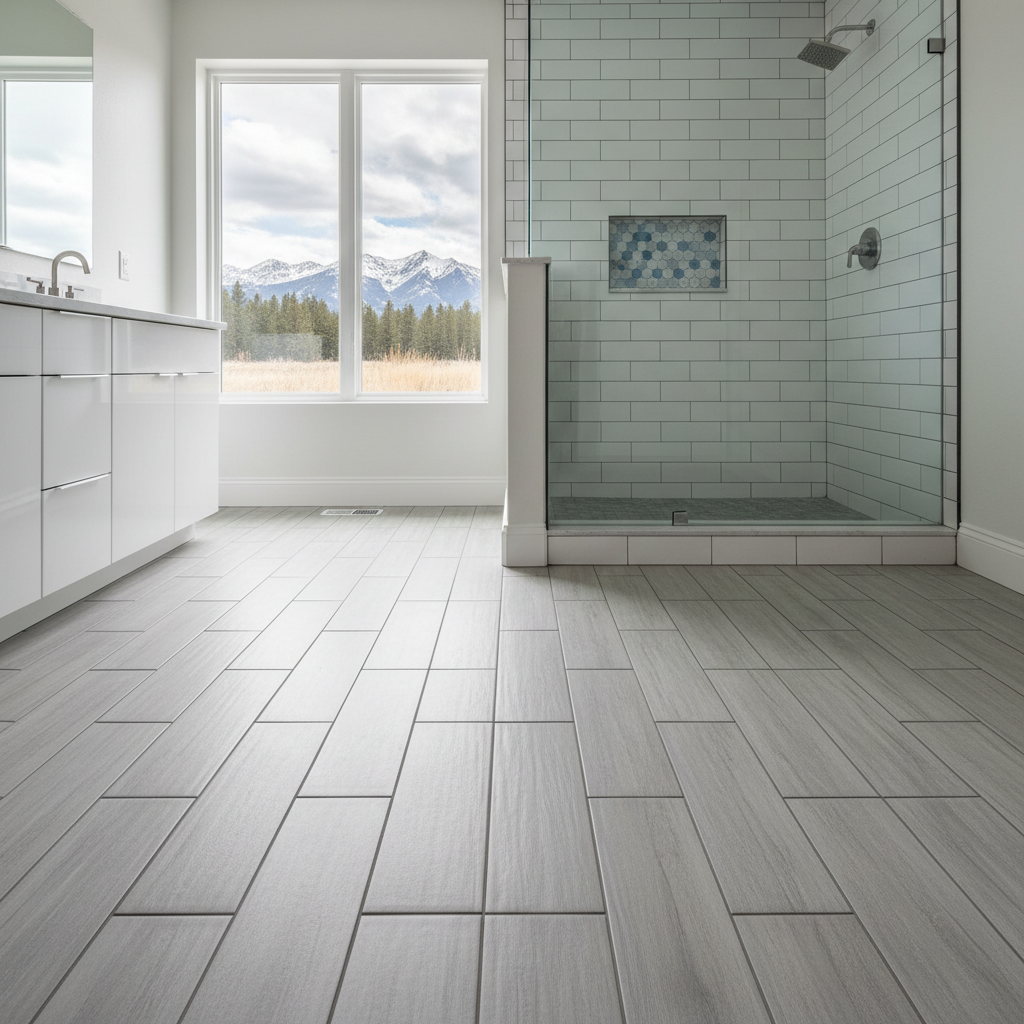
You're ready for new floors, maybe some fresh tile in the kitchen or a new shower. Great! It's an exciting project, and done right, it really changes the feel of your home. But I've seen enough projects around Bozeman to know that it's easy to trip up if you're not careful. Folks often make some pretty common mistakes, and I want to help you avoid them.
Skimping on Prep Work (The Foundation is Everything)
This is probably the biggest one, and it's where I see a lot of problems start. People get focused on the pretty tile or the nice wood planks, and they forget that what's underneath is just as, if not more, important. You wouldn't build a house on a shaky foundation, right? Same goes for your floors.
For tile, this means making sure your subfloor is perfectly flat, stable, and properly reinforced. I've seen people try to tile over bouncy subfloors or uneven concrete. You'll end up with cracked grout, loose tiles, or even worse, cracked tiles themselves. For wood or LVP, an uneven subfloor means squeaks, gaps, and an overall cheap look, no matter how expensive the material. We deal with a lot of older homes in areas like the North Side, and those subfloors often need some serious TLC before anything new goes down.
Don't let a contractor tell you they can just 'mud over' a big dip or hump without proper leveling compounds or structural fixes. That's a red flag. It's an extra cost, sure, but it's an investment in a floor that lasts.
Ignoring Material Acclimation (Especially for Wood)
This might sound like a small detail, but it's crucial, especially with our dry Bozeman climate and the big temperature swings we get. Wood flooring, engineered or solid, needs to acclimate to your home's humidity and temperature before installation. If you bring wood into a house and lay it down immediately, it's going to expand or contract after installation. That means gaps, cupping, or buckling. It's a mess, and it's preventable.
Most manufacturers recommend letting materials sit in the installation area for several days, sometimes even a week or more. If your installer is trying to rush this step, or they don't even mention it, that's another red flag. They're cutting corners, and you'll pay for it later.
Choosing the Wrong Material for the Space
Everyone loves the look of certain materials, but not every material is right for every room or every lifestyle. I've had folks want solid hardwood in a basement where there's a known moisture issue, or delicate marble in a high-traffic entryway with kids and pets. It just doesn't make sense.
Think about:
- Traffic: Is it a busy hallway or a guest bathroom?
- Moisture: Is it a bathroom, kitchen, or basement?
- Pets/Kids: Will it get scratched easily?
- Maintenance: How much work are you willing to put in to keep it looking good?
For example, porcelain tile is incredibly durable and great for wet areas. Luxury Vinyl Plank (LVP) is fantastic for high-traffic zones and basements because it's waterproof and tough. Solid hardwood is beautiful but needs more care and isn't ideal for wet spots. Don't let aesthetics completely override practicality. A good contractor, like us at Treasure State Kitchen & Bath, will talk you through these choices and help you pick something that looks great and performs well for your life.
Not Getting Everything in Writing (Detailed Bids are Your Friend)
This one's a classic. You get a handshake deal, or a really vague estimate, and then surprises pop up. Always, always get a detailed written bid. It should clearly outline:
- The specific materials being used (brand, type, color, quantity).
- The scope of work (demolition, subfloor prep, installation, grout, trim, cleanup).
- The timeline.
- The total cost, including labor and materials.
- Payment schedule.
- Warranty information.
If a contractor gives you a one-page, handwritten estimate with just a total number, politely ask for more detail. If they can't or won't provide it, that's a huge warning sign. You need to know exactly what you're paying for and what's included. This protects both you and the contractor from misunderstandings down the road.
Ignoring References and Insurance (Your Peace of Mind)
It's easy to go with the cheapest bid or the first person who can start tomorrow. But do your homework. Ask for references and actually call them. Look at their past work, if possible. Check if they're licensed and insured. In Montana, things can get tricky fast if someone gets hurt on your property and they're not properly covered.
A reputable contractor won't hesitate to provide proof of insurance and references. If they hem and haw, or say they're 'between policies,' walk away. It's not worth the risk. You're inviting someone into your home, often for days or weeks. You want to make sure they're professional, reliable, and accountable.
Choosing new tile or flooring is a big decision and a significant investment. By avoiding these common mistakes, you'll be much happier with the end result and enjoy your beautiful new floors for years to come.